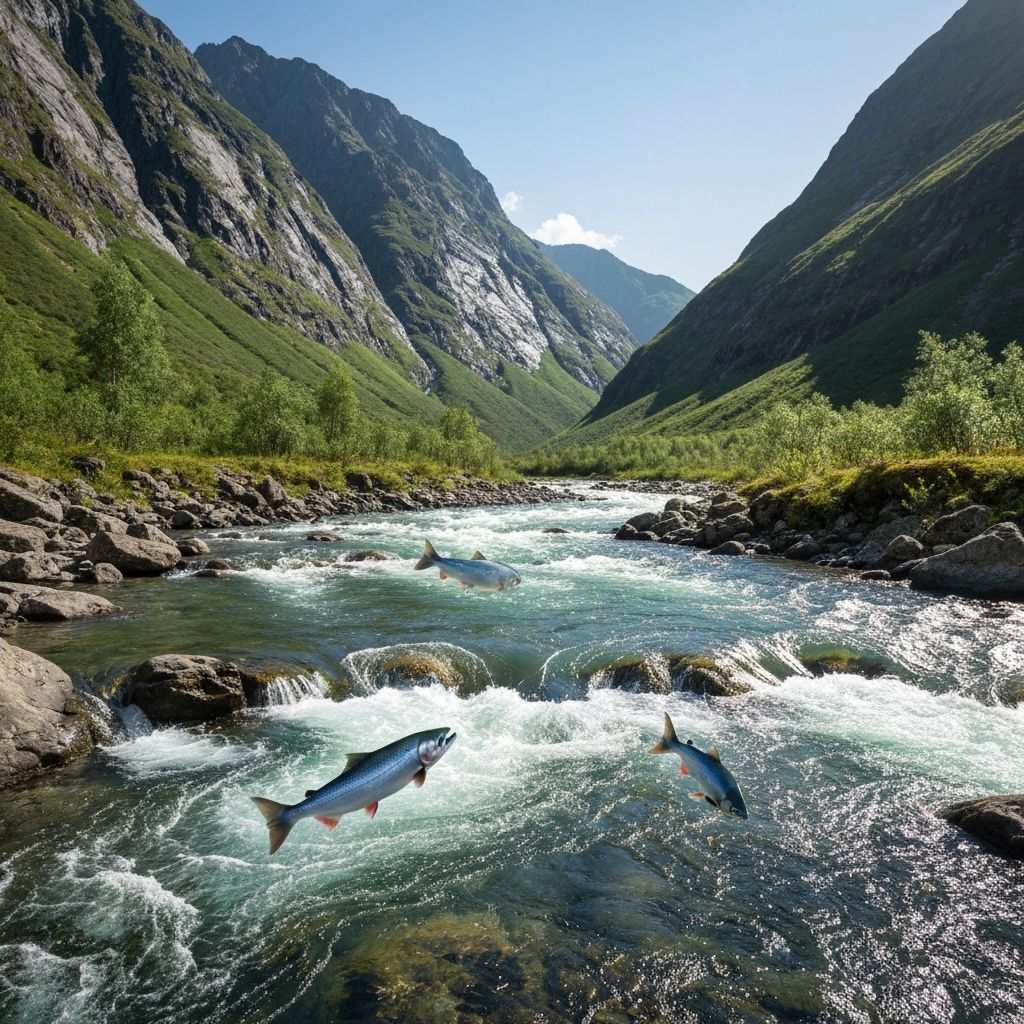
The Karuk Tribe's 20-Year Battle to Free the Klamath River
Leaf Hillman
Karuk tribal member and biologist. 20-year advocate for Klamath River restoration. Voice for salmon and sovereignty.
45,670
Motus
99%
Harmony
95%
Momentum
For the Karuk, Yurok, and other tribes of the Klamath River basin, salmon are not just food. They are relatives. They are culture. They are identity. And for over a century, four hydroelectric dams blocked their return.
In the 1960s, there were over a million salmon in the Klamath. By the 2000s, that number had dropped to less than 50,000. An entire way of life was dying.
"When the salmon disappear, we disappear. Our ceremonies, our stories, our children's futures — they're all connected to those fish."
Two Decades of Resistance
The Karuk tribe, led by figures like Chairman Russell "Buster" Attebery and biologist Leaf Hillman, launched a campaign that would span 20 years. They filed lawsuits. They testified before Congress. They built coalitions with unlikely allies — farmers, fishermen, and environmental groups.
"People thought we were crazy," Hillman recalls. "Taking on the federal government, the power companies, the entire system. But we knew what was at stake."
The River Runs Free
In 2024, the final dam came down. The Klamath became the site of the largest dam removal in U.S. history. And for the first time in over a century, salmon began their ancestral journey upstream.
Tribal elders who had fought for decades stood on the riverbanks, weeping. Children who had never seen wild salmon watched in wonder. A grandmother held her granddaughter and whispered: "The river remembers. And now, so will you."
Healing Waters
The dam removal is expected to restore hundreds of miles of salmon habitat. But for the tribes, the significance is deeper than ecology.
"This isn't just about fish," says Attebery. "This is about healing. Healing the river. Healing our culture. Healing the relationship between our people and this land."
Their story is a reminder that persistence across generations can achieve the impossible. That protecting our roots — cultural, ecological, spiritual — is work worth doing for a lifetime.
This is harmony with the earth.
Original Source
Yale Environment 360This story has been shared with attribution to honor its original source. All credit belongs to the individuals and organizations who made it possible.