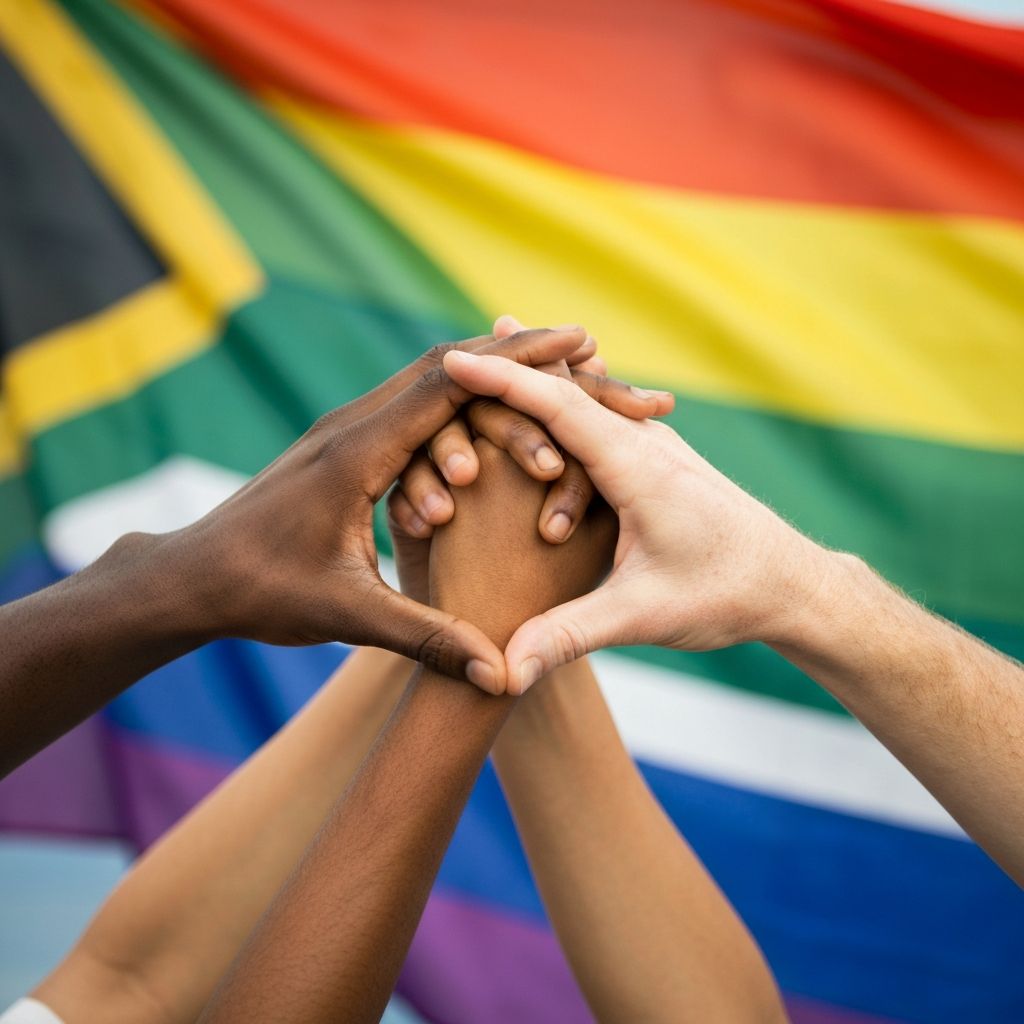
Be the Bridge: Two Churches Heal Racial Wounds Through Honest Conversation
Rev. Marcus Hayes
Pastor of Bethel New Life. Bridge builder. Believer that honest conversation can heal what silence has broken.
31,450
Motus
99%
Harmony
95%
Momentum
In Wheaton, Illinois, two congregations — the predominantly Black Bethel New Life and the mostly White Hope Presbyterian Church — shared a worship space. They were neighbors in building, but strangers in understanding.
Then came the vandalism. Racist graffiti appeared on the walls they shared. The ugliness of America's racial divisions had found its way into sacred space.
"We could have retreated to our corners. Instead, we decided to walk toward each other."
Beginning the Bridge
Both churches decided to participate in "Be the Bridge," a program designed to facilitate honest conversations about race. The meetings were uncomfortable. People cried. People apologized. People shared pain they had carried for decades.
"I didn't know what my Black neighbors experienced daily," one White congregant admitted. "I thought racism was something that happened in the past, somewhere else. I was wrong."
Black members shared stories of being followed in stores, of fear during traffic stops, of the exhaustion of constantly explaining their humanity. White members listened — many for the first time, really listened.
The Apology
In one powerful session, members of Hope Presbyterian formally apologized for the ways their community had benefited from systems that harmed their Black brothers and sisters. It wasn't performative. It was personal.
"We're not apologizing for being White," one elder explained. "We're apologizing for being blind. For not seeing. For not asking."
Moving Forward Together
Today, the two congregations don't just share a building — they share life. Joint services. Shared meals. Combined youth groups. The vandalism that was meant to divide them became the catalyst for unprecedented unity.
"What the enemy meant for evil," says Pastor Marcus Hayes of Bethel New Life, "God used for connection. We're not just neighbors anymore. We're family."
This is what it means to bridge.
Original Source
Christianity TodayThis story has been shared with attribution to honor its original source. All credit belongs to the individuals and organizations who made it possible.